
The Role of Social Media in Modern Advertising Campaigns
In today’s digital landscape, social media has emerged as a cornerstone of modern advertising campaigns. With billions of users worldwide, platforms like Facebook, Instagram, Twitter, and LinkedIn offer unparalleled access to diverse audiences. Understanding the role of social media in advertising is crucial for businesses aiming to enhance their visibility, engage with customers, and drive conversions.
One of the primary advantages of social media advertising is its ability to target specific demographics. Unlike traditional advertising methods, which often cast a wide net, social media platforms allow businesses to tailor their messages to particular groups based on interests, behaviors, and location. This precision targeting not only maximizes the effectiveness of ad spend but also ensures that the content resonates with the intended audience, leading to higher engagement rates.
Moreover, social media provides a unique opportunity for brands to foster relationships with their customers. Through interactive content, such as polls, live videos, and Q&A sessions, businesses can create a dialogue with their audience, making them feel valued and heard. This two-way communication builds trust and loyalty, essential components for long-term success. When customers feel connected to a brand, they are more likely to become repeat buyers and advocates.
In addition to engagement, social media advertising can significantly enhance brand awareness. Consistent and strategic posting can keep a brand top-of-mind for consumers. When users see a brand frequently in their feeds, it reinforces recognition and familiarity, which are critical factors in purchasing decisions. Furthermore, social media platforms often have algorithms that favor content that generates engagement, meaning that well-crafted posts can reach a broader audience organically, reducing the need for extensive paid advertising.
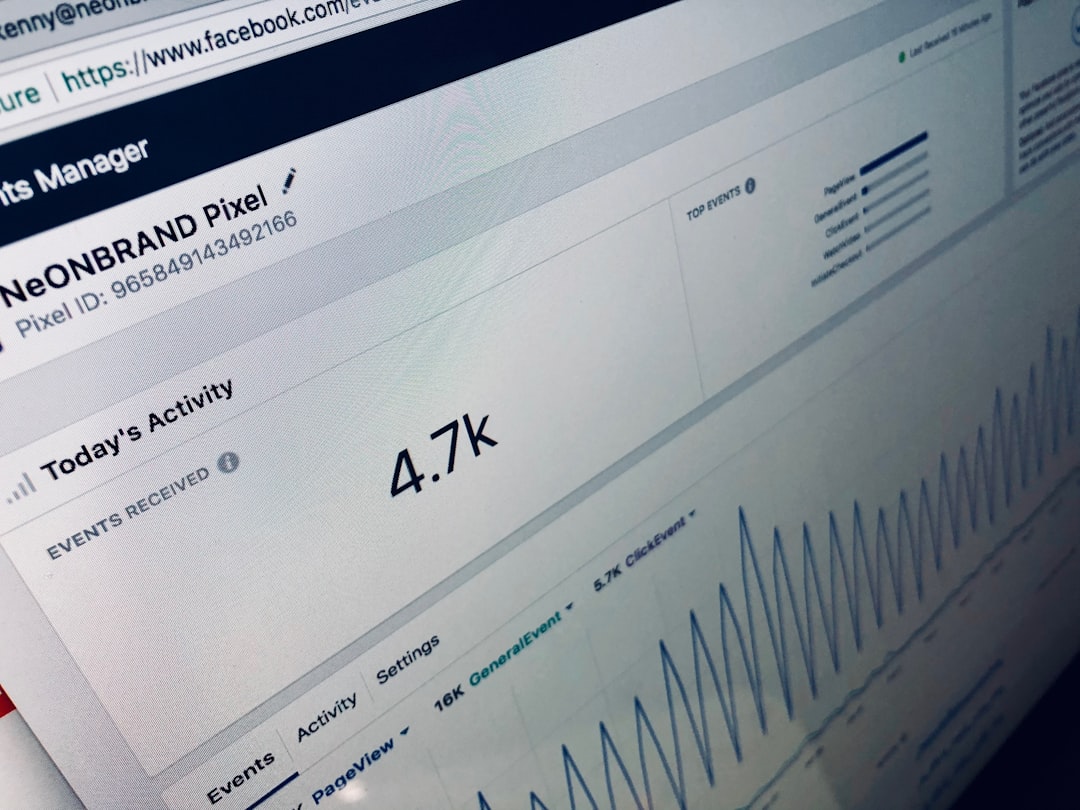
Another key benefit of social media in advertising is the ability to track and analyze performance in real-time. Digital marketing analytics tools integrated into social media platforms provide insights into how ads are performing, allowing businesses to adjust their strategies on the fly. This data-driven approach enables companies to optimize their campaigns for better results, ensuring that resources are allocated effectively.
For businesses committed to sustainability and ethical practices, social media can also serve as a platform to communicate these values. By sharing stories about eco-friendly initiatives, ethical sourcing, or community involvement, brands can connect with consumers who prioritize sustainability. Certifications like Fair Trade or Energy Star can be highlighted in social media campaigns, enhancing credibility and trust. When consumers see that a brand is dedicated to ethical practices, they are more likely to support it, knowing their purchases align with their values.
In conclusion, the role of social media in modern advertising campaigns cannot be overstated. It offers businesses the ability to target specific audiences, foster customer relationships, enhance brand awareness, and analyze performance effectively. By leveraging these advantages, companies can create impactful advertising strategies that not only drive sales but also promote sustainable and ethical practices. As consumers increasingly seek brands that align with their values, integrating social responsibility into social media advertising will not only benefit the planet but also build lasting trust with customers.